


Anodizing vs. Powder Coating for Aluminum Electronics Enclosures: Which Finish Should You Specify?
Specify anodizing when you want an aluminum surface that keeps its metallic character and the chosen anodizing process suits the part’s wear, appearance and dimensional requirements. Specify powder coating when an opaque color or texture is central to the design and the enclosure can accommodate coating build, masking and curing. Neither choice settles grounding, sealing or corrosion performance on its own. Those requirements need their own drawing notes and acceptance checks.
An electronics enclosure has more going on than its visible panels. A connector must fit its opening. A lid may need a controlled gasket land. A screw may have to make electrical contact with the housing. Decide which surfaces can be finished and which must remain functional before choosing a color. Zenbot lists anodizing and powder coating for sheet metal and anodizing options for CNC-machined parts; the exact finish, material and inspection scope are reviewed for each project.
Anodizing vs. powder coating at a glance
| Design question | Anodizing | Powder coating |
|---|---|---|
| What is formed? | An aluminum oxide layer grows from the aluminum surface. | Powder is applied to the part and cured into a separate film. |
| What does it look like? | The underlying metal and surface preparation remain visible. Dye and sealing can change the appearance. | An opaque color, gloss level or texture can cover the metal appearance. |
| Which materials fit? | Aluminum and suitable aluminum alloys, subject to process review. | Aluminum can be coated; the powder and pretreatment must suit the substrate and use. |
| What happens to fit? | The oxide changes dimensions. The effect depends on the type, thickness and processing steps. | Film build can reduce hole clearance or alter a mating face. Thickness depends on the coating system and geometry. |
| What needs attention? | Alloy and weld color variation, rack contact, threads, tight bores and electrical contacts. | Pretreatment, masking, cure conditions, coating access, threads, mating faces and electrical contacts. |
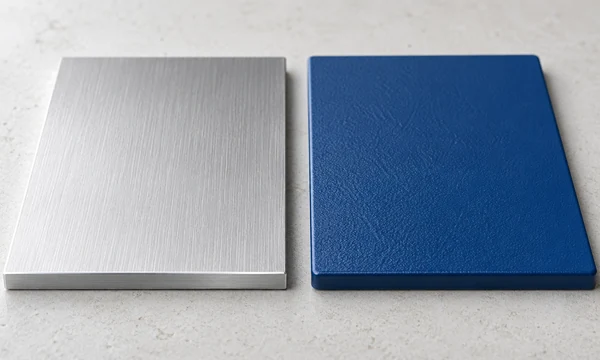
This table is a design screen, not a durability ranking. The Aluminum Anodizers Council (AAC) explains that anodizing changes dimensions and that alloy and process conditions matter. The Powder Coating Institute (PCI) describes powder coating as a charged powder applied to a grounded part and then cured with heat. Finished performance depends on the selected specification and how the part is processed.
Start with the enclosure’s functional surfaces
Mark the surfaces that have to locate, seal or conduct. For a controller housing, that might be the PCB mounting points, the connector face, the lid joint and one grounding contact. The outside cover may have broad cosmetic freedom while a small bore has almost none.
Ask four questions against the assembled product:
- Which dimensions must pass inspection after finishing?
- Where must a screw, spring contact or grounding strap touch metal?
- Which faces meet a gasket, adhesive, thermal pad or another coated part?
- Where can the finisher hold or hang the part without leaving an unacceptable mark?
The answers belong on the drawing. A general note such as “black anodize” or “powder coat blue” cannot tell a finisher which bore to protect or where a rack mark is acceptable. If you are still choosing between a formed shell and a machined housing, settle that question first with the sheet metal vs. CNC enclosure guide.
Where anodizing fits
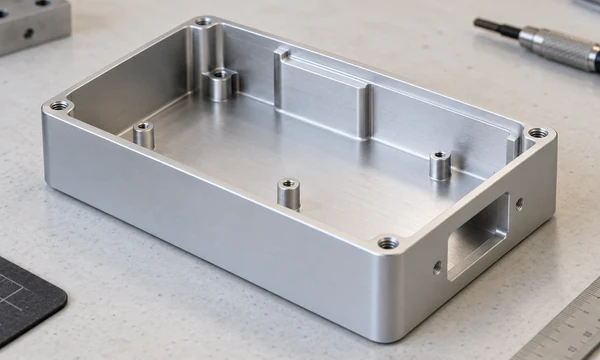
Anodizing converts the aluminum surface into oxide. It is useful when the design calls for a metallic appearance or a specified anodic coating on an aluminum part. Surface preparation matters: machining marks, brushing and blasting can all remain visible through the finish. The chosen alloy, temper and welded areas can affect color, so a named dye color alone may not define what an acceptable batch looks like. AAC recommends agreeing on an appearance range for the actual material and process rather than relying only on a color name in a specification (AAC coating guidance).
“Anodized” is still too broad for a controlled drawing. Type II sulfuric acid anodizing and Type III hard anodizing serve different appearance and wear requirements, and their coating thicknesses need to be specified for the application. Hard anodizing may be worth reviewing for a sliding or frequently handled feature, but it can have a greater effect on tight fits. Do not use a Type III callout merely because “hard” sounds safer. AAC’s coating overview describes the finish categories and why thickness is part of the specification.
Anodizing does change dimensions. The oxide grows partly into and partly out of the original surface; holes and threads can become tighter. The amount cannot be set from a generic allowance because pretreatment, alloy and process parameters vary. Mark any critical bore or thread and ask the finisher how it will be protected or checked in the finished condition. AAC’s anodizing FAQ addresses dimensional change, masking and rack contact.
Where powder coating fits
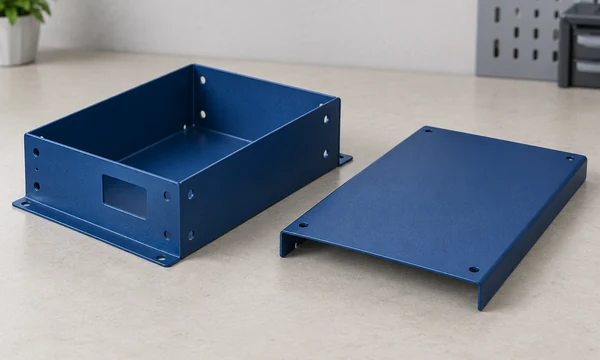
Powder coating is an option when the enclosure needs an opaque color or a specified gloss or texture. It can suit broad formed panels and joined sheet metal parts where the metal appearance is not the design goal. PCI describes a process in which powder adheres electrostatically and is cured with heat. Powder formulation, pretreatment and cure conditions are part of the finished result (PCI process overview).
The film can change the feel and fit of an enclosure. A connector opening may become smaller at its edge; a screw may bind in a coated thread; two coated flanges may no longer close as expected. Recesses, edges and welded areas also deserve a finish review. Ask for a drawing-based masking plan instead of assuming the coater will know which features are critical. If the assembly contains bonded or heat-sensitive items before coating, check the cure process with the finisher before treating it as a finished assembly.
Powder offers a wide choice of colors and textures, but a swatch is not the whole specification. State whether the visible requirement applies to a single prototype, a matched set of panels or repeat builds. Identify the viewing surfaces, acceptable texture and any reference sample. Heavy fabrication marks may still show through a finish, so surface preparation and cosmetic acceptance should be agreed before production. PCI’s FAQ also notes that adhesion depends on substrate cleanliness, pretreatment and proper cure.
Grounding and electrical contact need a separate plan
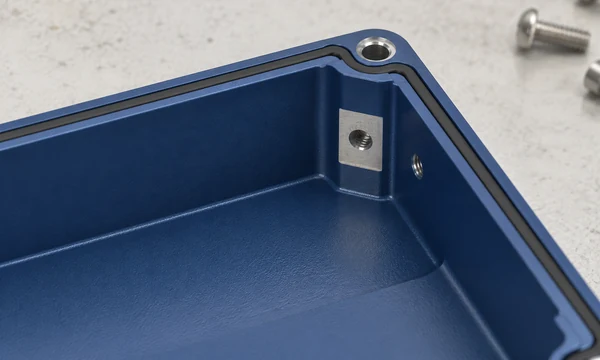
Anodic oxide is a dielectric material. A conventional powder finish is also a barrier that should not be treated as a guaranteed electrical contact. “Metal enclosure” therefore does not prove that a screw, lid or bracket provides the electrical path your product needs. AAC describes the insulating nature of anodic oxide in its technical bulletin index; Protolabs’ enclosure design guidance discusses masking contact areas for electronics grounding.
If the product requires grounding or a conductive joint, show the intended path on the assembly drawing. Identify any uncoated pad, fastener contact or approved conductive treatment, then state how continuity will be verified in the finished assembly. A masked bare-aluminum area may need its own corrosion review. Avoid relying on a screw to cut through an unspecified coating: the first build may work while later parts make a different contact.
Shielding is also a product-level question. An enclosure finish alone cannot establish electromagnetic compatibility. The joint design, openings, gasket, cable terminations and test method all matter. Zenbot’s mechanical parts and PCBA assembly guide explains why mechanical and electronic interfaces should be released together.
Protect fit and appearance after finishing
Make a short finish map on the drawing. Shade or label the cosmetic faces, the masked faces and the surfaces that can carry a rack or hanger mark. Put critical dimensions on the finished part, especially at connector openings, lid seats, bores and threads. State who measures them and whether inspection happens before or after assembly.
For anodizing, confirm the chosen type, coating thickness or governing specification, color if needed, sealing requirement and acceptable appearance range. For powder coating, confirm the powder system, color reference, gloss or texture, pretreatment, masking and cure compatibility. In both cases, tell the supplier whether installed hardware is already in place and which areas must remain usable after finishing. The sheet metal enclosure DFM guide covers hardware and access in formed shells; the CNC machining DFM checklist covers machined bores, threads and other precision features.
Neither finish should be called “outdoor rated” without defining the exposure and acceptance test. Salt, cleaning chemicals, ultraviolet light, handling and temperature affect the choice in different ways. PCI notes that powder-coating corrosion performance depends on pretreatment and the coating system (pretreatment guidance). Give the supplier the environment and any required test method. Let the finish specification follow those requirements.
Example: a compact controller enclosure
Imagine a controller with a formed aluminum shell, a removable lid and a PCB mounted on standoffs. The customer wants a uniform matte color across the visible panels. One connector opening and one lid contact point are functional; the other walls mainly protect the electronics. This is a design example, not a Zenbot customer project.
Powder coating could be a sensible route for the colored shell. The drawing would identify the color and texture, the masked contact, the connector opening’s finished dimensions and the allowable hanger-mark location. The lid and shell would be checked together after coating. A machined aluminum base for the same PCB might instead use anodizing to retain a metallic appearance. Its board pocket, threaded bosses and connector face would need a post-finish fit review. The answer depends on the actual assembly, not on whether one finish is generally “premium.”
What to send with the finish RFQ
- A current 3D model and 2D drawing showing the enclosure material, alloy or grade, temper where relevant, part revision and expected quantity.
- The finish request: anodizing type and appearance requirement, or powder system, color, gloss and texture. If the exact specification is open, describe the required service conditions instead.
- A finish map marking visible faces, masked electrical contacts, threads, bores, gasket lands and permitted rack or hanger marks.
- Critical dimensions with an explicit statement that they apply after finishing, plus the mating PCB, connector, lid or gasket information needed to judge fit.
- Exposure and acceptance requirements: handling, cleaning, outdoor conditions, appearance sample, inspection method and any product-level test that must pass.
- Assembly sequence and installed hardware, especially if the finish process must occur before adhesive, gaskets, plastics or electronics are added.
The broader manufacturing RFQ checklist covers file control and quantity information. A finish-specific request adds the surface map and finished-condition acceptance criteria. Those two items often save a longer exchange than a vague color callout does.
Frequently asked questions
1. Is anodizing always thinner than powder coating?
No single thickness comparison covers every specification. Many decorative anodic coatings have less build than a typical powder film, while hard anodizing can be much thicker. Ask for the proposed finish thickness and check the actual fit of the part after processing.
2. Does an anodized or powder-coated enclosure provide grounding automatically?
No. Define a conductive contact path and verify it in the finished assembly. Anodic oxide is insulating, and a standard powder film should not be assumed to provide contact. A masked area or another approved contact treatment may be needed.
3. Can a welded aluminum enclosure be anodized?
It can be considered, but the weld and parent material may not match in color. Share the alloy and weld details and agree on a representative appearance sample before treating a uniform finish as a requirement.
4. Should threaded holes and close-fitting bores be masked?
Mark the critical ones on the drawing. Masking, plugging, process allowance or post-finish machining may be possible, but the suitable route depends on the feature and coating. Confirm the finished fit and inspection plan with the supplier.
5. Which finish is better for an outdoor electronics enclosure?
Specify the exposure first. Anodizing and powder coating can each be designed for demanding environments, but alloy, sealing, powder chemistry, pretreatment, edges and maintenance affect the result. Ask for an agreed finish system and acceptance test rather than a general ranking.
6. Will powder coating hide machining or fabrication marks?
A texture can soften the appearance of small marks, but it will not reliably conceal deep tool marks, weld transitions or damaged edges. Set a surface-preparation requirement and review a sample on the actual material if appearance matters.
7. What is the minimum information needed for a finish quote?
Send the part model and revision, material, quantity, intended environment, finish appearance and a drawing that marks masked and critical surfaces. Add the mating parts and post-finish dimensions that control fit. A supplier can then review the coating route against the real enclosure rather than just its color.
Next step
Choose the enclosure process, mark the surfaces that must still fit or conduct after finishing, and send the drawing with the required appearance and exposure conditions through Zenbot’s quote page. Ask for the proposed finish and masking plan to be reviewed before approving a cosmetic sample or production build.