


Can One Solder Paste Stencil Serve Both Small Pads and Large Joints?
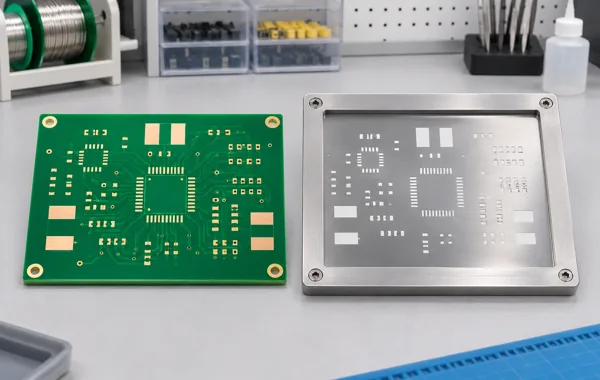
One solder paste stencil can serve both very small pads and larger joints if it repeatedly prints acceptable deposits at both. You cannot tell that from the paste layer or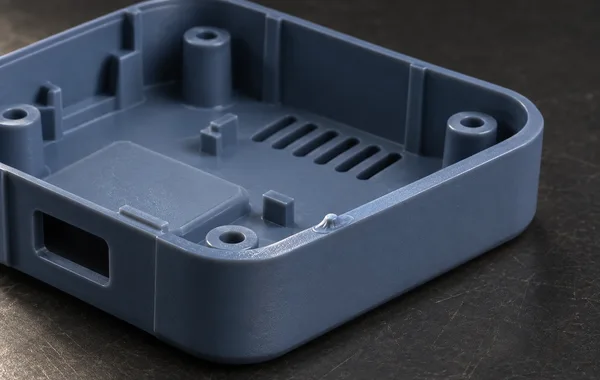
When Is an Injection-Molded Gate Mark Too High?
An injection-molded gate mark is too high when it exceeds the limit agreed for that surface or prevents the finished part from fitting as designed. The limit belongs to the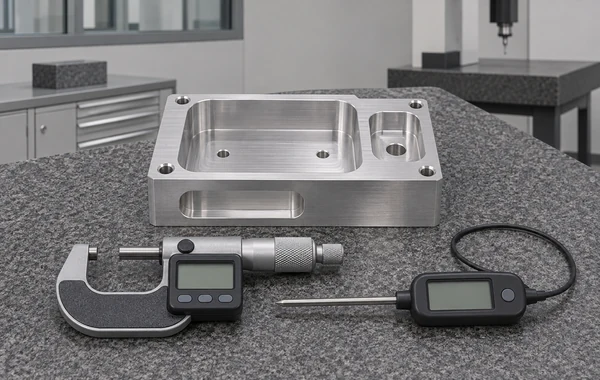
CNC Inspection Temperature: Why Supplier and Incoming Measurements Can Disagree
A supplier reports a CNC-machined feature within tolerance. Incoming inspection reports it outside tolerance. Before anyone authorizes rework, check whether the two measurements describe the same part under comparable conditions.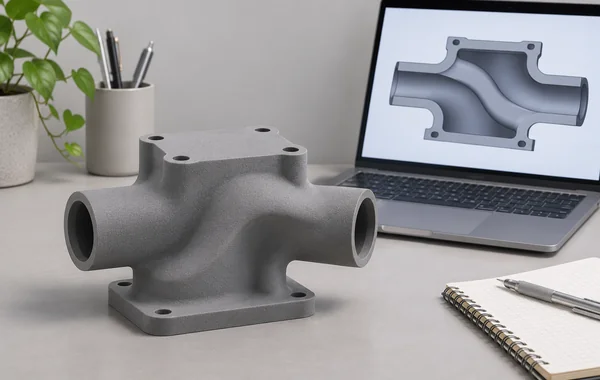
How to Verify Powder Removal Inside SLS and MJF Parts
To verify powder removal inside an SLS or MJF part, match the inspection to the channel. A borescope can show an accessible bend. A flow check can confirm that the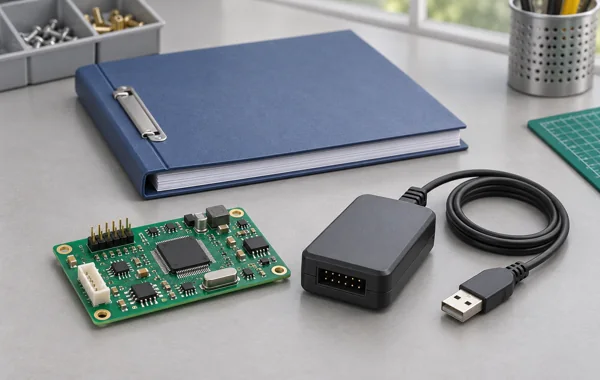
PCBA Firmware Programming: Why a Verify Pass Is Not a Release Approval
A firmware programmer can report a successful verify while the board still contains a release not approved for that board revision, starts in the wrong mode, or carries another unit’s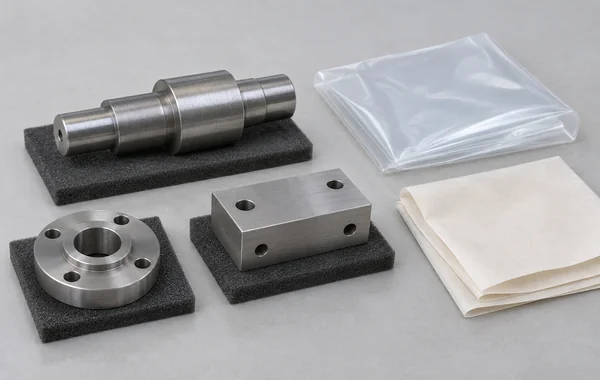
Rust Prevention for Machined Steel Parts: 7 Checks Before Shipping
To prevent rust on machined steel parts during shipping, agree a temporary preservation system before packing: suitable surface preparation, an approved protective oil or VCI system, and the enclosure and
CNC Flatness Inspection: Free-State vs. Clamped Measurements
A CNC part can pass a flatness check while clamped and produce a different result after release. Before accepting either report, compare the inspection conditions: which face was measured, how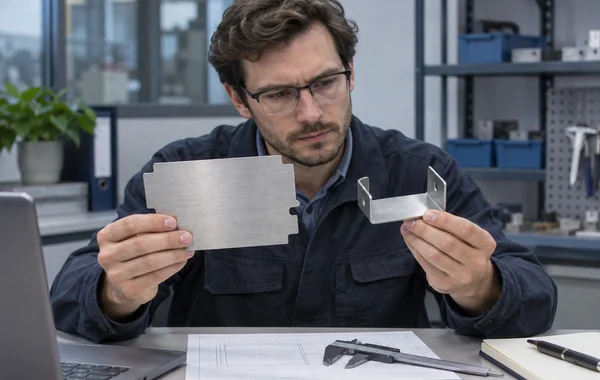
Sheet Metal Grain Direction: What Buyers Should Specify Before Cutting
For sheet metal parts, specify the rolling direction needed for forming separately from the visible brushing direction needed for appearance. Show both against named faces and bend lines, and ask