



Turnkey vs. Consigned PCB Assembly: Who Should Source Your Components?
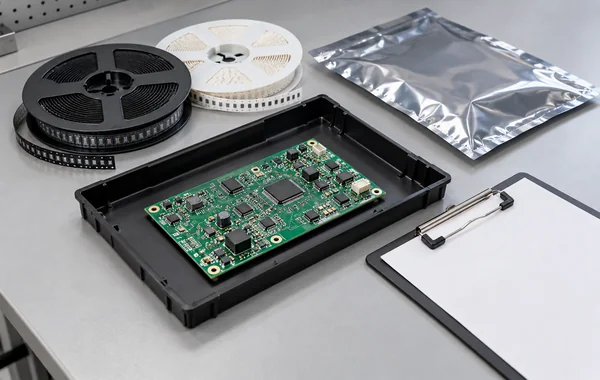
In turnkey vs consigned PCB assembly, the main difference is who buys and delivers the approved material. Turnkey PCB assembly puts the agreed board and component purchases with the assembler. Consigned assembly suits buyers who already control a usable parts kit and can manage its delivery. If you hold only selected components, consider partial turnkey: you supply those items and the supplier buys the rest. Compare the work and cost of getting approved material ready for assembly before choosing a model.
Before ordering, assign the purchasing responsibility for each bill of materials (BOM) line and for the bare printed circuit boards (PCBs). Then agree how shortages, substitutions and unused material will be handled. The terms below describe common arrangements; a supplier may accept only some of them.
Turnkey, consigned and partial turnkey compared
| Arrangement | Who supplies the material? | When to consider it | Decision to settle first |
|---|---|---|---|
| Full turnkey | The supplier purchases the agreed bare boards and components. | Your team wants one coordinated procurement and assembly scope. | Approved sources, substitution authority and material commitments. |
| Consigned or customer-supplied | You supply the agreed component kit; define bare-board supply separately. | You hold suitable inventory or need to retain purchasing control. | Kit acceptance, packaging, quantity and arrival requirements. |
| Partial turnkey | You supply named items; the supplier purchases the remaining items. | You own critical parts but do not want to buy every passive and connector. | A complete responsibility split with no missing or duplicate purchases. |
Screaming Circuits’ sourcing FAQ distinguishes supplier-sourced, split and customer-supplied arrangements. These definitions do not guarantee that every assembler offers all three. CircuitHub’s consignment guidance, for example, permits selected customer-supplied parts but does not accept fully consigned kits. Confirm the proposed arrangement before buying or shipping material.
Compare the complete purchasing cost
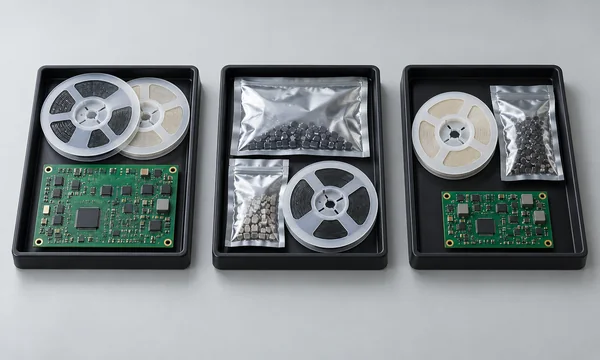
A consigned quotation may look cheaper because components are outside the assembler’s price. Put those purchases back into the comparison, along with incoming freight, receiving work, repackaging, additional material and any separate storage charges. For turnkey, ask which material quantities and procurement charges are included.
Use the same board revision, number of accepted assemblies and inspection scope in both quotes. Separate the cost of parts fitted to this order from material bought for later orders. A full reel can reduce a component’s unit price while increasing the cash committed to the build.
A design change after purchasing starts can leave stock that no longer fits the build. Check cancellation and return conditions before authorizing those purchases; some orders may be non-cancellable or non-returnable. Turnkey describes who handles purchasing; it does not, by itself, tell you who pays for excess or obsolete stock.
Make partial turnkey unambiguous
Put the sourcing split beside the released BOM. An email saying “we will supply the expensive parts” leaves the buyer and assembler to interpret which items that means. Assign one supply owner to each item. Assign bare-board procurement too, because a complete component kit cannot be assembled without the correct boards.
| Item to record | Question it answers |
|---|---|
| Manufacturer and approved part number | Exactly which component is being supplied? |
| Supply owner | Does the customer or assembler purchase this line? |
| Required and supplied quantity | Does the delivery include the agreed extra material? |
| Packaging and receiving reference | Can the incoming material be identified and used in the planned process? |
| Expected arrival and shortage contact | When will it be available, and who resolves a discrepancy? |
| Unused-material instruction | Should usable stock be returned or retained under an agreed arrangement? |
For example, consider a hypothetical controller build. The buyer already owns a traceable stock of the approved processor. The assembler is asked to source the remaining BOM and bare boards. The processor line still needs its quantity, packaging, delivery reference and shortage decision. The assembler checks the incoming stock before treating it as ready to use. This example is not a Zenbot customer project.
Keep the engineering package separate from this purchasing decision. Our PCB assembly file checklist covers Gerber data, BOM, placement files and assembly instructions; those files remain necessary whichever party buys the components.
Ask when the assembly clock actually starts
Distinguish the quotation date, material order date, material-ready date and assembly start date. Ask which conditions must be satisfied before the quoted assembly time begins. A delivery estimate that assumes a complete accepted kit is different from one that includes component procurement.
Screaming Circuits states that its assembly cannot begin until all required materials are received. Ask your supplier which material and engineering checks must be complete before it can release your build.
For each outstanding item, record its owner, expected arrival and next decision. If a component becomes unavailable, choose among an approved replacement, a revised quantity or a revised schedule. Any deliberately incomplete build needs an agreed configuration and clear identification before it proceeds.
Check source, identity and material condition
Retain the purchasing trail for customer-owned stock, and specify the sourcing evidence required for supplier-purchased parts. Verify authorized distribution through the component manufacturer’s own information. Authorization for one brand does not establish authorization for every brand a seller lists.
Texas Instruments’ anti-counterfeit guidance recommends buying its parts directly or through TI-authorized sources. It also warns that counterfeit markings can resemble genuine ones. A photograph of a label is therefore not a substitute for a credible purchasing trail. Confirm the approved purchasing channels for your own component list.
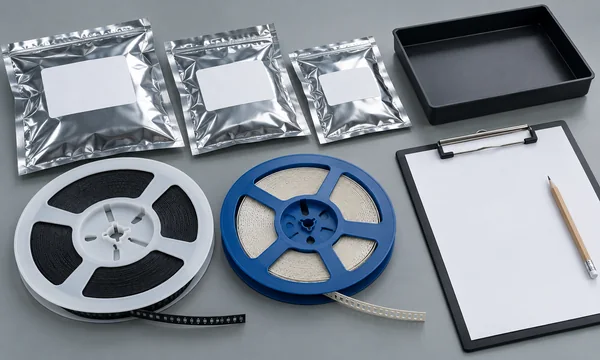
For incoming stock, preserve manufacturer part numbers, quantities and available lot or date codes. DigiKey’s label guide shows how these identifiers appear alongside moisture- and static-sensitivity information. Keep the original labels and packaging with the parts so receiving staff do not have to reconstruct their identity.
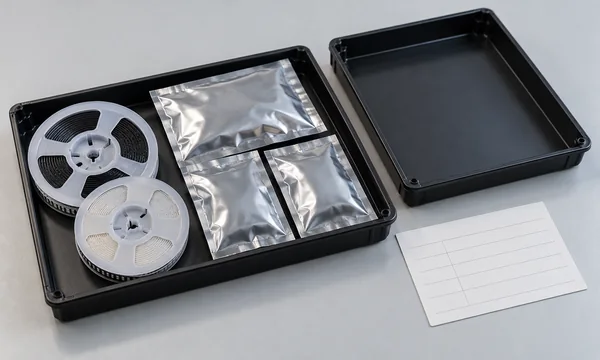
Before shipping a kit, confirm the assembler’s accepted reels, tape, trays or tubes. Identify opened moisture-sensitive packages and any storage uncertainty. Ask for a disposition decision when material history is incomplete; do not assume a generic baking step makes every questionable part usable. CircuitHub’s consigned-material instructions illustrate why packaging and identification rules are supplier-specific.
Separate attrition from excess inventory
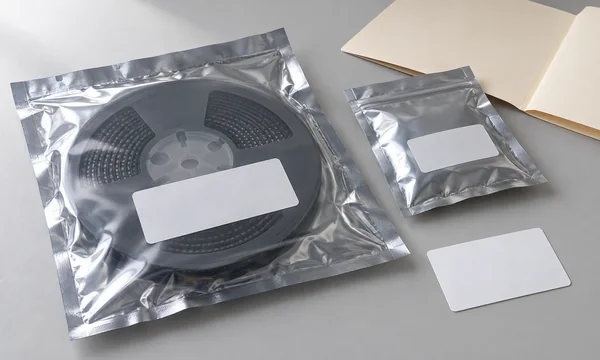
Attrition is material lost or damaged during production. Assemblers may require additional components to protect the requested build quantity, as explained in CircuitHub’s attrition guidance. Ask for the requirement by part or package rather than applying one percentage to everything.
Excess inventory is different. It may result from purchasing a minimum order quantity or full reel, rather than from material needed for setup or expected losses. Keep those quantities separate in the quote and completion report.
Before release, agree how the assembler will reconcile received material, fitted parts, reported losses and usable balance. Define whether the remaining stock is returned, held for a named repeat order or handled another agreed way. Confirm storage duration, identification and any charges. Do not assume that paying for material automatically includes indefinite storage or a future build reservation.
Keep approval and testing decisions with the design
Buying responsibility does not automatically include authority to change a component. State which alternates are already approved and who can authorize any other replacement. The reviewer may need to check package, electrical behavior, temperature grade, firmware compatibility or application-specific requirements before approving it.
The supply model also does not determine test coverage. Keep the agreed inspection, programming and functional-test requirements in the assembly quotation. Our PCBA inspection and testing guide explains automated optical inspection (AOI), X-ray and functional checks.
Request a sourcing review with a proposed split
Zenbot’s PCB and PCBA service reviews component sourcing alongside fabrication, assembly, inspection and testing. Its published guidance asks for a BOM and approved sourcing requirements, with alternatives for constrained parts proposed for review before use.
Send the released electronics package, build quantity and target date with a list of material you already own. Identify what you want Zenbot to purchase, the sourcing restrictions, the condition and availability of customer-owned parts, and the required test scope. Ask Zenbot to confirm whether the proposed split is acceptable and which receiving, shortage and residual-stock conditions belong in the quotation. Minimum order quantity, price and timing need a project-specific quotation.
Request a manufacturing review before committing to component purchases. If confidentiality needs to be arranged first, use the contact page.
Frequently asked questions
1. What is the difference between turnkey and consigned PCB assembly?
Turnkey assigns the agreed material purchasing to the supplier. Consigned assembly uses customer-supplied material. Define the bare-board scope separately and confirm which arrangement the supplier accepts before ordering.
2. When does partial turnkey make sense?
It can suit a build where you hold critical or proprietary components but want the assembler to source the remaining items. Assign every BOM line and bare-board order to one owner, with quantities, arrival requirements and shortage contacts.
3. Is consigned PCB assembly always cheaper?
No. Compare the cost of accepted assemblies, including your component purchases, freight, kitting work, extra material and any storage or repackaging charges. A lower assembly-only price is not a lower total project cost.
4. When does the quoted assembly lead time begin?
Ask the supplier to identify the starting conditions in the quotation. Material receipt, kit acceptance, file approval or other release requirements may apply. Separate procurement time from assembly time when comparing schedules.
5. How many extra components should I supply?
Ask the assembler how much extra material each relevant part or package requires. Extra material may be needed for setup or production losses. Do not use one general percentage for an entire BOM, especially when expensive or scarce parts are involved.
6. Can the assembler substitute an unavailable component?
Only under the agreed approval rules. Identify pre-approved alternatives and require review of other proposed changes before purchase or use. Record the approved part number and any affected design, firmware or test requirements.
7. What happens to unused components?
Agree this before purchasing. Usable stock may be returned or retained under a defined arrangement, while damaged or unusable material needs separate disposition. Confirm ownership, quantity reporting, storage duration and any applicable charges.
8. Does turnkey assembly include functional testing?
Not automatically. The quotation must define inspection, programming and functional-test coverage, fixtures, pass limits and records. Who buys the components does not determine how the finished board is verified.

About Zenbot Team
Zenbot Team creates manufacturing and procurement resources for Zenbot China. Our guides cover CNC machining, sheet metal fabrication, 3D printing, injection molding, PCBA, and RFQ preparation, helping engineers and purchasing teams compare options and define project requirements. Technical feasibility, specifications, pricing, and lead times require project-specific confirmation.