



AQL Inspection for Custom Parts: 7 Decisions Before Batch Approval
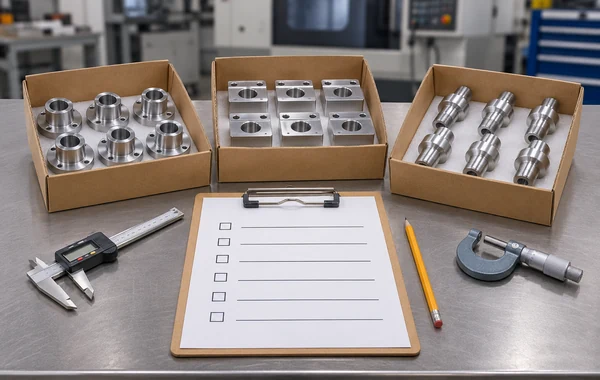
Before approving a batch of custom parts through AQL inspection, agree seven things: what constitutes the lot, which defects matter, the sampling plan, how samples are selected, the inspection method, the records, and the response to a failed result. An AQL number alone is not a complete acceptance agreement.
Acceptance sampling uses inspected samples to decide the disposition of a lot. It does not prove that every uninspected part conforms. The purchasing team still needs a defensible release decision for the goods actually being shipped.
What an AQL inspection result actually tells you
AQL means acceptance quality limit in ISO 2859-1. It indexes a sampling scheme; it is not permission to deliver a stated percentage of defective parts in every shipment. A passed sample does not establish the defect rate of the entire batch. NIST’s introduction to acceptance sampling distinguishes a lot acceptance decision from estimating lot quality.
Keep three decisions separate when purchasing custom components:
| Decision | Question it addresses | What it leaves open |
|---|---|---|
| First article approval | Do the initial parts and records meet the agreed approval requirements? | Whether a later production lot should be released. |
| Lot acceptance sampling | Does the submitted lot meet the agreed sampling decision rules? | The condition of every uninspected unit or untested characteristic. |
| Specified every-unit inspection | Does each unit pass the named checks? | Characteristics outside those checks and faults the method cannot detect. |
Zenbot’s first article inspection guide covers initial approval. The decisions below concern subsequent batch acceptance, not a replacement for that approval process.
1. Define the lot before anyone selects samples
Record the part number, drawing revision, quantity and traceable production identity covered by the inspection. Ask how different setups, molding cavities, material batches or finishing batches will be identified when they could affect results. Decide with the quality team whether they belong in one inspection lot or need separate treatment.
A purchase order and an inspection lot are not necessarily the same thing. One order might include different revisions or arrive in separate shipments. Conversely, several cartons may belong to one clearly identified production lot. Set the boundary before inspection so the result can be linked to the actual goods released.
If the supplier presents only part of the shipment for inspection, document that scope. The report should identify the inspected scope rather than imply that it covers the missing cartons.
2. Separate defect severity from convenient inspection categories
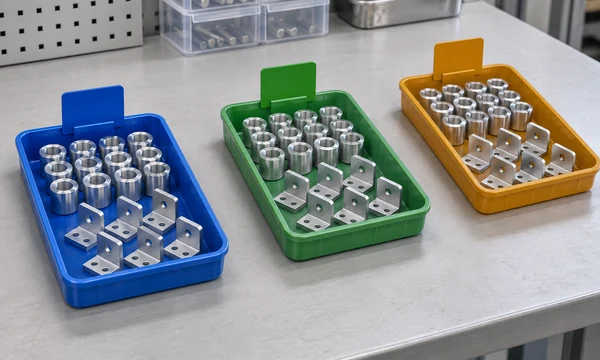
Start with the part’s function. A mark on a concealed face, damage to a sealing surface and an incorrect mounting-hole location have different consequences. Agree written acceptance criteria for the relevant features, including photographs or reference samples where they help explain appearance.
Labels such as critical, major and minor need product-specific definitions. List examples and decide who resolves an ambiguous observation. An inspector should not have to guess whether a scratch is cosmetic or whether its location makes it functional.
Safety-related and other high-consequence requirements need their own engineering and quality review. Do not assume a general cosmetic sampling plan covers them. That review may call for specific process controls, traceability, every-unit checks or validation beyond shipment inspection.
Also define the counting basis. Counting nonconforming units differs from counting individual nonconformities: one component may have several defects. The plan and report must use the same basis.
3. Specify the complete plan, not just “AQL inspection”
State the standard and edition, inspection level, inspection state, lot size, applicable AQLs, sampling type and the resulting sample sizes and acceptance/rejection criteria. Have a competent quality practitioner confirm the selection and its suitability for the order. Do not copy a familiar number from an unrelated product.
ISO 2859-1:2026 covers AQL-indexed attribute sampling schemes for lot-by-lot inspection and includes switching rules. Record the edition agreed for the purchase; a new edition appearing does not automatically change an existing contract. For a one-off order, ask the quality team to review an isolated-lot approach. ISO 2859-2:2020 addresses LQ-indexed sampling for isolated lots where continuing-lot switching rules do not apply.
Ask what risks the proposed plan leaves with each party. A sampling plan can reject a satisfactory lot or accept an unsatisfactory one. NIST explains producer’s risk, consumer’s risk and operating characteristic curves, which describe how acceptance probability changes with lot quality.
“Accept on zero” still does not mean zero defects
An acceptance number of zero means no counted nonconforming result is allowed in the inspected sample under that plan. It does not establish that the uninspected remainder contains none. Record the sample size and inspection coverage alongside the acceptance number; the latter is not a standalone quality guarantee.
4. Agree how the sample will be drawn from the batch
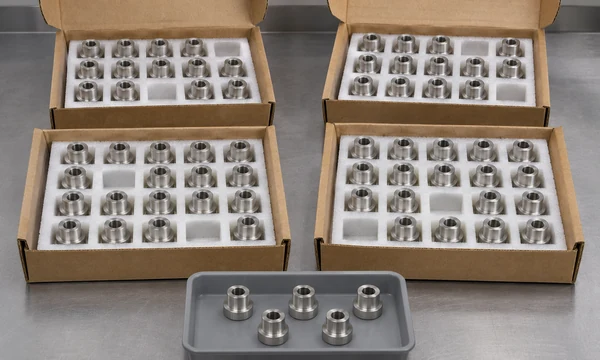
The sample must represent the submitted lot through the agreed random selection method. A supplier’s handpicked display samples, the easiest carton to reach or the first few parts on a tray are not interchangeable with random selection.
Before the inspection visit, confirm access to the lot and how cartons, trays or individual parts can be identified. Agree who selects the units and how their identities will be recorded. If required units cannot be reached without unpacking, arrange that access instead of quietly substituting convenient parts.
Where known production groups need separate coverage, have the quality team incorporate that requirement into the plan. Simply adding a few chosen pieces after the random sample is drawn can blur which results control the acceptance decision.
5. Match the method and inspection stage to the requirement
Choose a method that can detect the defect being controlled. Define the characteristic, equipment or test, reference limits and relevant conditions. A visible appearance check cannot establish an internal thread’s usable depth or a board’s electrical function.
Check the stage as well. If acceptance applies to a finished part, a machining report made before coating may leave final dimensions unresolved. For assemblies, identify which checks occur before inaccessible features are covered and which occur after final assembly.
For PCBA orders, keep electrical test coverage distinct from physical inspection. Our PCBA inspection and testing guide explains those different checks. For any destructive test, settle how tested units are treated and whether the remaining delivery quantity still satisfies the order.
6. Require a report that supports the release decision
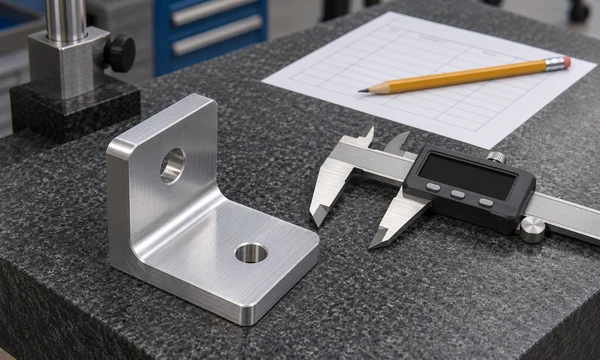
“AQL passed” is too little information to investigate a receiving discrepancy. Ask for a record that identifies the submitted lot, approved criteria, selected plan, inspected quantity, observations and final disposition. Keep the original result even when a subsequent sort or reinspection changes the shipment’s status.
The following is a blank purchasing template, not a prescribed inspection plan or a record of a Zenbot inspection:
- Part number, revision, purchase order and lot identity: [complete].
- Submitted quantity and production groups included: [complete].
- Characteristic or defect category and acceptance reference: [complete].
- Standard/edition, plan inputs, sample size and decision criteria: [complete].
- Selection method, sample identities and inspection stage: [complete].
- Equipment or test method, observations and counted results: [complete].
- Lot disposition, exceptions, approver and linked follow-up records: [complete].
Use traceable observations where they matter. A photograph should identify the affected part or sample, not merely show an unlabelled defect. A dimensional record should state the feature and units so receiving inspection can compare the same requirement.
7. Decide what happens if the batch fails
Agree the hold and escalation process before inspection. Identify who may approve sorting, rework, return, replacement or a documented concession. Clarify the applicable costs and timing in the purchase agreement rather than assuming that an inspection result settles those commercial terms.
Do not keep drawing fresh samples until one passes. Additional sampling must follow the agreed plan, such as its defined second stage, or an authorized disposition and reinspection procedure. Record what changed between the original failure and any later acceptance.
For a continuing series of lots, retain the history needed to apply the chosen scheme’s switching rules. Do not relax inspection solely because the previous shipment looked good. Equally, a failed lot should prompt investigation of the process and affected stock, not just a new report with a different result.
What to send Zenbot before requesting batch inspection
Zenbot’s manufacturing services page describes coordination across mechanical parts, plastics, electronics and assembly, with inspection needs reviewed by project. It does not establish a universal AQL or sampling plan for all orders.
Send the released files, expected lot quantities, critical features, appearance references, required inspection stages and your proposed acceptance plan. Flag any requirements still needing quality or engineering review. Use the manufacturing RFQ checklist for the broader purchasing package.
Ask Zenbot to review the inspection scope before the quotation is finalized. Request written confirmation of the checks, records, exclusions and failed-lot procedure applicable to your parts. Keep that confirmation with the order so the supplier and receiving team work to the same release requirements.
Frequently asked questions
1. Is an AQL number enough to specify batch inspection?
No. Agree the lot definition, defect criteria, standard and edition, inspection level and state, sampling type, sample sizes, decision rules and inspection method. The AQL is only one input to that agreement.
2. Does passing AQL inspection prove every part is good?
No. The decision is based on the inspected sample and the agreed rules. Uninspected units and untested characteristics remain outside that direct evidence; sampling acceptance is not a zero-defect guarantee.
3. Can first article approval replace production lot inspection?
No. First article approval addresses the initial parts and approval requirements. Define separately how later production lots will be inspected and released, including changes that require renewed first article review.
4. Should every custom part use the same AQL?
No. Have the responsible quality and engineering teams assess the product risks, defect categories, applicable requirements and proposed sampling scheme. A familiar default from another product is not sufficient justification.
5. What does an acceptance number of zero mean?
It means the plan permits no counted nonconforming result in the inspected sample. It does not prove that the rest of the lot is defect-free. The sample size, selection method and inspection coverage still matter.
6. Can the supplier choose the best-looking sample parts?
No. Handpicked presentation samples do not satisfy an agreed random-selection procedure. Confirm access to the submitted lot, record how units are selected and resolve access restrictions before inspection.
7. Can a failed batch pass after another sample is inspected?
Only follow the additional sampling or reinspection allowed by the agreed procedure. Do not draw repeated fresh samples merely to obtain a pass. Keep the original failure and document any sorting, rework, authorization and later disposition.
8. What should buyers send Zenbot for an inspection-scope review?
Send released drawings and files, lot quantities, critical features, defect criteria, appearance references where relevant, proposed inspection stages, acceptance-plan requirements and required records. Ask Zenbot to confirm the project-specific scope and exceptions before ordering.

About Zenbot Team
Zenbot Team creates manufacturing and procurement resources for Zenbot China. Our guides cover CNC machining, sheet metal fabrication, 3D printing, injection molding, PCBA, and RFQ preparation, helping engineers and purchasing teams compare options and define project requirements. Technical feasibility, specifications, pricing, and lead times require project-specific confirmation.