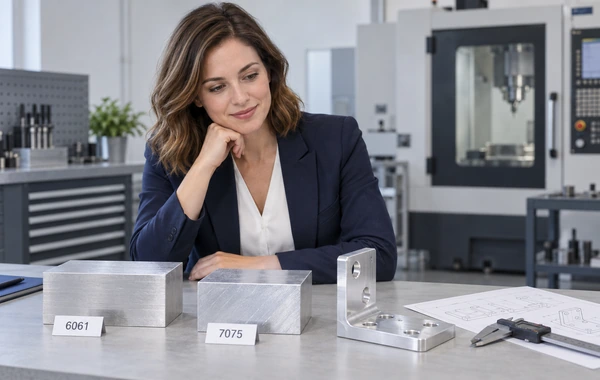



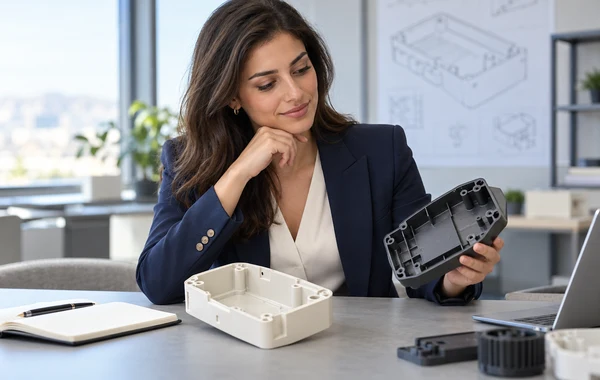
CNC Machining vs. Injection Molding for Low-Volume Plastic Parts: Which Should You Choose?
CNC machining is often the practical starting point for low-volume plastic parts when the design may change, demand is uncertain, or only a small batch is committed. Injection molding deserves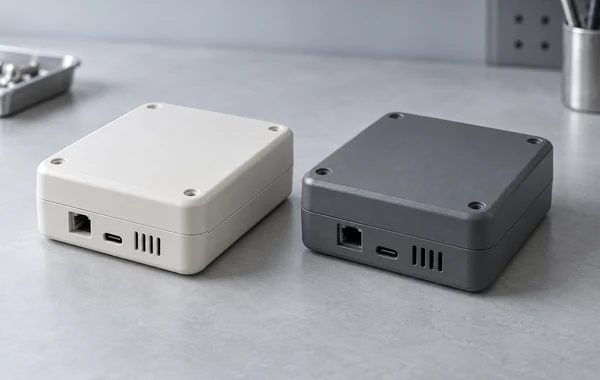
ABS vs. PC/ABS for Injection-Molded Electronics Enclosures: How to Choose
Choose between ABS and PC/ABS for a molded electronics enclosure by checking heat, impact, flame, appearance, and tooling requirements, then validating the grade on molded samples.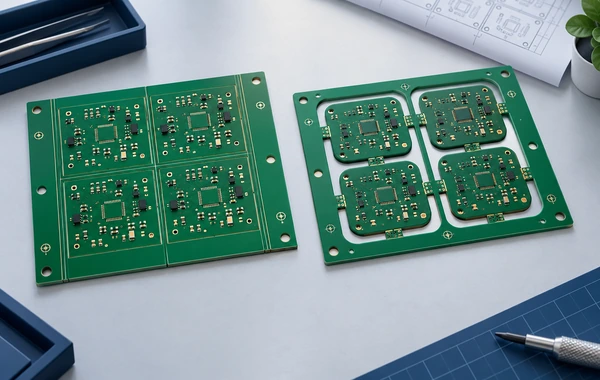
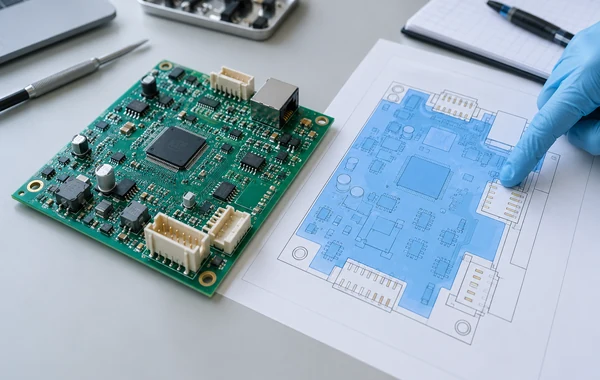
PCB Panelization for Assembly: V-Scoring, Tab Routing, and Rail Design
Compare V-scoring and routed tabs for PCB assembly, then review rails, fiducials, components near break lines, depaneling, and the files needed to approve the panel.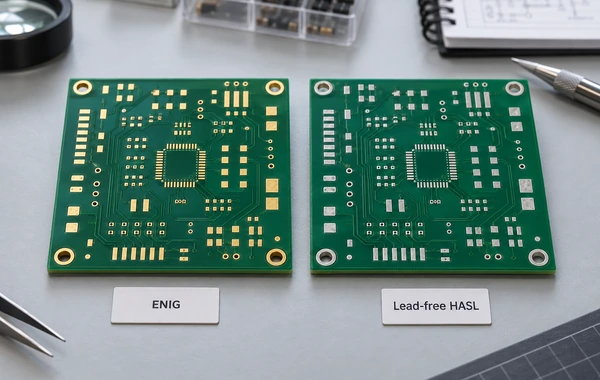
ENIG vs. Lead-Free HASL for PCB Assembly: Which Finish Should You Choose?
Compare ENIG and lead-free HASL using the board's actual pads, component footprints and assembly process, then define finish controls, storage conditions and sample acceptance with the suppliers.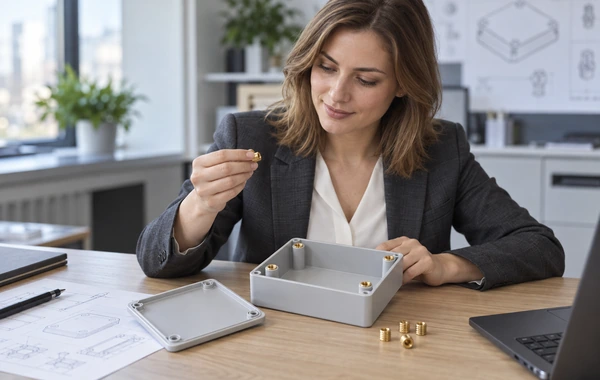
Threaded Inserts for Plastic Enclosures: Heat-Set, Ultrasonic or Molded-In?
Compare heat-set, ultrasonic and molded-in inserts for a plastic enclosure, then define the receiving hole, screw boss, mating joint and sample tests for the selected construction.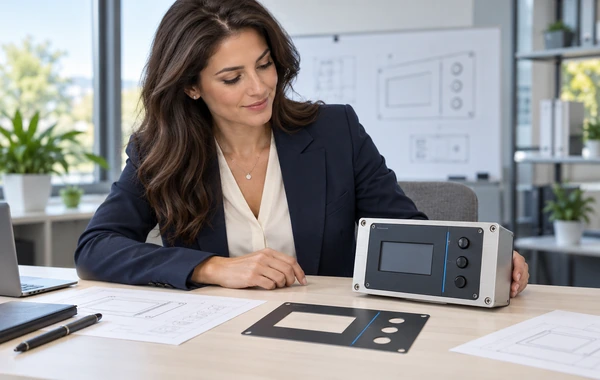
Custom Front Panels for Electronic Enclosures: Cutouts, Graphic Overlays and Assembly Fit
Define front panel cutouts, graphic overlay registration, film and adhesive layers, display visibility and button operation before approving an enclosure assembly.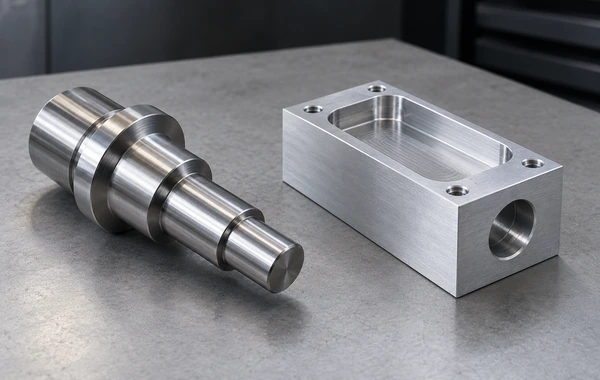
CNC Turning vs. Milling: Which Process Does Your Part Need?
Match turning and milling to the finished part: review rotational features, pockets, combined operations, workholding, functional tolerances and quotation scope.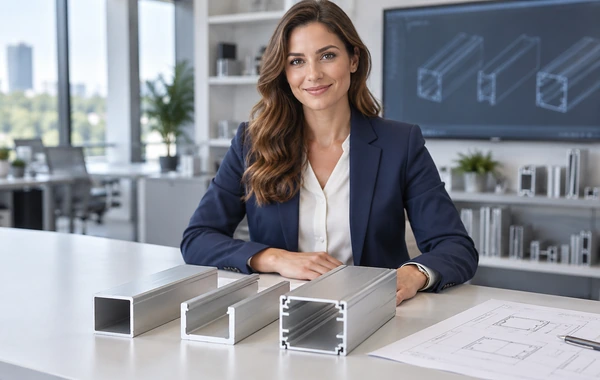
Custom Aluminum Extrusion Design: What to Check Before Making the Die
Review an aluminum profile before making the die: define the section, material condition, tolerances, secondary machining, finish and sample-approval requirements.